Why Laser Cut Aluminium Is Transforming Modern Metal Fabrication in 2026
Metal fabrication continues to evolve as industries demand greater precision, faster production, and more efficient use of materials. From construction and manufacturing to automotive and industrial engineering, businesses are looking for advanced cutting solutions that deliver consistent results while reducing production challenges. Laser technology has become an important part of this transformation, offering a modern approach to shaping metal components with accuracy and flexibility.
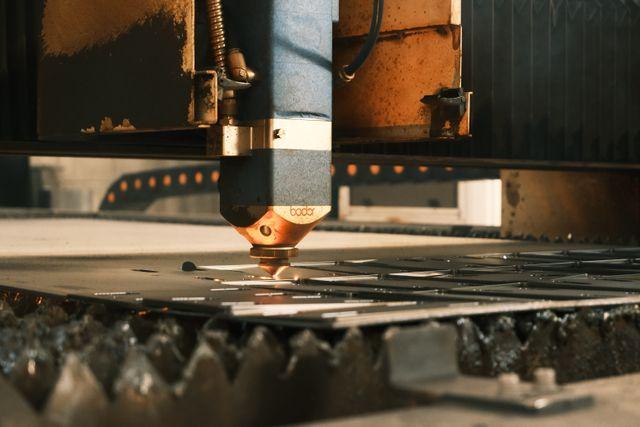
Among the materials used in contemporary fabrication, aluminium stands out for its lightweight properties, corrosion resistance, and versatility. Combining aluminium with advanced laser-cutting technology allows manufacturers to produce detailed components that meet a wide range of industrial and commercial requirements.
Understanding Laser Cutting Technology
Laser cutting is a manufacturing process that uses a concentrated beam of light to cut materials according to specific designs and measurements. The laser generates intense heat in a controlled area, allowing the material to be cut along programmed paths.
Modern laser-cutting machines often operate using computer-controlled systems. Fabricators can upload digital drawings and convert them into cutting instructions, helping produce components with consistent dimensions and intricate shapes.
This technology is particularly useful for projects that require accurate patterns, complex designs, and repeatable results. It also reduces the need for certain manual cutting operations, making production more organized and efficient.
Why Aluminium Is Suitable for Laser Cutting
Aluminium is widely used in fabrication because it offers a useful balance of strength, weight, and workability. Compared with many heavier metals, it can help reduce the overall weight of manufactured products and structures.
Its natural corrosion resistance makes it suitable for applications where components may experience moisture or changing environmental conditions. Aluminium is also recyclable, making it a practical material for manufacturers interested in improving material efficiency.
Laser Cut Aluminium is increasingly valuable for applications that require lightweight components with precise dimensions. With suitable laser equipment and carefully controlled cutting parameters, manufacturers can create detailed parts for different industries.
Improving Precision and Product Quality
Accuracy is essential in modern metal fabrication. Even small dimensional errors can create problems during assembly, welding, installation, or final product manufacturing.
Laser cutting helps address these challenges by following digitally programmed designs. This allows fabricators to produce complex shapes, detailed openings, and consistent component dimensions.
The concentrated cutting process also creates narrow cutting paths, helping maintain accurate edges and reduce unnecessary material removal. Depending on the machine, material thickness, and operating settings, laser cutting can deliver clean finishes that require less additional processing.
For manufacturers producing multiple identical components, repeatability is another major advantage. Once the cutting program has been established and tested, the same design can be reproduced across production batches with consistent results.
Increasing Production Speed
Manufacturing businesses often work with strict deadlines and large production requirements. Traditional cutting methods may involve additional setup, manual adjustments, or multiple processing stages.
Computer-controlled laser machines can streamline many of these operations. Once the design is prepared, the machine follows the programmed cutting path with minimal manual intervention during the cutting process.
This can help reduce production time, particularly for components with detailed shapes or repeated patterns. Faster processing also allows fabrication teams to manage different orders more efficiently and respond to changing customer requirements.
However, actual cutting speed depends on factors such as aluminium thickness, machine power, design complexity, and production volume.
Reducing Material Waste and Production Costs
Material costs can have a significant impact on the profitability of fabrication projects. Efficient cutting methods help manufacturers make better use of available metal sheets and reduce unnecessary offcuts.
Laser-cutting software can arrange multiple component designs on a sheet through a process commonly known as nesting. This helps optimize sheet utilization and reduce the amount of unused material.
The precision of the cutting process can also minimize errors caused by inaccurate manual measurements. Fewer mistakes may mean less rework, better production planning, and improved control over material expenses.
Although advanced laser equipment requires investment and operating costs, its productivity and material-efficiency benefits can make it valuable for businesses handling regular fabrication work.
Applications Across Different Industries
Aluminium components are used in many industries because of their lightweight characteristics and adaptable design possibilities. Laser cutting makes it easier to manufacture parts that meet specific technical and visual requirements.
Common applications include:
-
Construction: Aluminium panels, architectural features, decorative screens, and building components.
-
Automotive manufacturing: Lightweight brackets, covers, panels, and selected vehicle components.
-
Industrial equipment: Machine enclosures, mounting plates, protective covers, and custom-fabricated parts.
-
Electrical applications: Equipment housings, control-panel components, and enclosure parts.
-
Commercial design: Signage, decorative panels, display structures, and customized metal features.
The ability to produce both simple and complex shapes makes laser technology useful for small customized orders as well as larger manufacturing projects.
Choosing the Right Laser Cutting Service
The quality of a finished component depends on more than the cutting machine itself. Material thickness, aluminium grade, design specifications, machine settings, and operator expertise all influence the final result.
Before starting a project, businesses should provide accurate drawings and clearly communicate their required dimensions, quantities, and finishing expectations. It is also important to select a fabrication provider with suitable equipment for the material thickness and complexity involved.
A dependable service provider can help assess project requirements, recommend appropriate cutting methods, and maintain consistency across production batches.
The Future of Aluminium Fabrication
As manufacturing becomes more technology-driven in 2026, laser cutting is helping businesses improve production accuracy, flexibility, and efficiency. Its ability to work with detailed digital designs makes it suitable for modern fabrication requirements across construction, engineering, and industrial manufacturing.
Aluminium offers additional advantages through its lightweight nature, corrosion resistance, and recyclability. When combined with advanced cutting technology, it provides manufacturers with greater opportunities to create customized components while managing material usage and production time.
For businesses seeking reliable metal fabrication solutions, investing in accurate cutting processes can support better product quality and more efficient operations.
For professional Laser Cut Aluminium and precision metal fabrication solutions, explore Qatar Steel Factory's laser-cutting services at https://www.qatarsteelfactory.com/product/laser-cutting.
Qatar Steel Factory provides metal fabrication solutions to support construction, manufacturing, and industrial projects requiring accuracy and dependable results.


Comments
Post a Comment