Why Steel Structure Building Designs Are Dominating Modern Industrial Construction
Industrial construction has changed dramatically over the past decade as businesses demand faster project completion, stronger infrastructure, and more cost-effective building solutions. Modern industries require facilities that can handle large-scale operations, heavy machinery, and future expansion while maintaining long-term durability. As a result, steel structure building designs have become the preferred choice for factories, warehouses, logistics centers, manufacturing plants, and commercial infrastructure projects around the world.
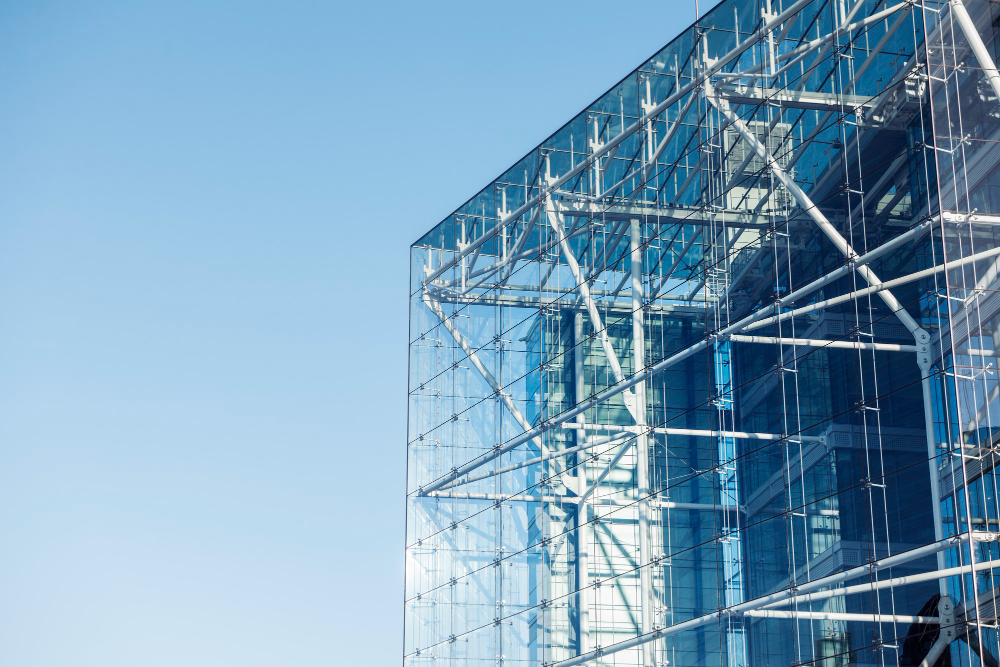
The growing popularity of steel construction is driven by its ability to deliver strength, flexibility, and efficiency in ways that traditional building materials often cannot match. Engineers and developers are increasingly choosing steel because it supports modern industrial requirements while also helping reduce construction timelines and maintenance costs. According to industry reports, the global structural steel market continues to grow due to increasing investments in industrial infrastructure and urban development projects.
One of the biggest advantages of steel structures is their exceptional strength-to-weight ratio. Steel can support heavy loads without requiring excessively thick walls or bulky support systems. This allows industrial facilities to create larger open spaces for machinery, storage, and production lines. Large-span steel structures are especially valuable in warehouses and manufacturing plants where uninterrupted floor space improves operational efficiency. Construction experts consistently highlight steel as one of the most reliable materials for supporting heavy industrial applications and high-load environments.
Speed of construction is another major reason steel structures are dominating industrial projects. Traditional concrete construction often requires lengthy curing times and labor-intensive processes. Steel components, however, can be prefabricated off-site and assembled quickly at the project location. This significantly reduces construction time and allows businesses to begin operations sooner. In fast-growing industrial sectors where time is critical, steel buildings provide a major competitive advantage. Reports on prefabricated steel construction show that modular steel systems can reduce project completion timelines by several weeks or even months.
Durability also plays a key role in the rising demand for steel structures. Industrial buildings are exposed to challenging conditions such as heavy equipment vibrations, changing weather, moisture, and high operational stress. Steel structures are designed to withstand these conditions while maintaining long-term structural integrity. Modern protective coatings and galvanization techniques further improve corrosion resistance, making steel suitable for harsh industrial and coastal environments. Studies on industrial steel systems continue to emphasize their long service life and reduced maintenance requirements.
Flexibility in design is another major benefit driving the popularity of steel construction. Modern industrial facilities often require customized layouts, future expansion capabilities, and adaptable floor plans. Steel allows architects and engineers to create highly flexible designs that can be modified or expanded as business needs evolve. This adaptability is especially valuable for industries experiencing rapid growth or changing operational requirements. Industrial developers increasingly prefer steel because it supports innovative architectural designs without sacrificing strength or stability.
Sustainability has also become a major focus in modern industrial construction. Governments and corporations are seeking environmentally responsible building materials that reduce waste and improve energy efficiency. Steel is one of the most recyclable construction materials in the world, making it an important part of sustainable building practices. Many steel components can be reused or recycled without losing their core properties, helping reduce environmental impact. Researchers studying sustainable construction materials continue to identify steel as a key solution for eco-friendly infrastructure development.
Another reason steel structures are becoming increasingly common is their ability to support advanced technologies and automation systems. Modern industrial facilities rely heavily on robotics, automated storage systems, and smart manufacturing equipment. Steel-framed buildings provide the structural stability and load-bearing capacity required for these advanced industrial operations. As industries move toward Industry 4.0 technologies and automated production systems, steel infrastructure continues to play a critical role in supporting future-ready industrial facilities.
Economic efficiency is also contributing to the growth of steel construction. Although steel prices may fluctuate, the overall lifecycle cost of steel buildings is often lower than traditional alternatives due to faster construction, reduced maintenance, and long-term durability. Businesses benefit from lower downtime, fewer repair expenses, and better operational efficiency over the life of the structure. Market analyses continue to show strong growth in the global steel construction sector because of these financial advantages.
As industrial development accelerates worldwide, steel construction will continue to dominate modern infrastructure projects. Its unmatched combination of strength, speed, flexibility, sustainability, and long-term reliability makes it one of the most practical solutions for today’s industrial construction demands.
For high-quality structural steel solutions designed for industrial and commercial projects, explore the advanced products available at https://www.qatarsteelfactory.com/product/i-beams-or-h-beams-structural-steel. Their premium structural steel systems are engineered to provide exceptional strength, durability, and performance for modern construction applications.


Comments
Post a Comment