How an Exhaust Ventilation System Is Improving Air Quality and Energy Efficiency in 2026
Modern buildings require effective ventilation to maintain comfortable indoor environments, protect workers, and support energy-efficient operations. In industrial facilities, warehouses, workshops, and commercial buildings, heat, moisture, dust, fumes, and unwanted odors can accumulate when air circulation is inadequate. As businesses focus more on workplace safety and operational efficiency in 2026, ventilation solutions are becoming an important part of building design and facility management.
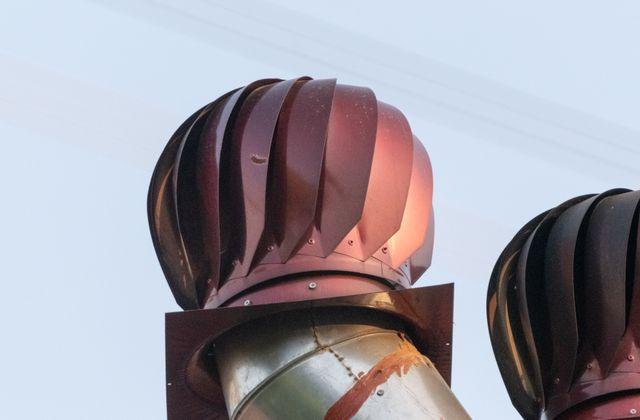
An effective ventilation setup helps remove stale indoor air and encourages the movement of fresh air throughout a building. When properly designed, it can improve indoor air quality, reduce excessive heat buildup, and support a more comfortable working environment.
Why Indoor Air Quality Matters
Indoor air quality directly affects the comfort and productivity of people who work or spend time inside a building. Poor ventilation can allow heat, humidity, airborne contaminants, and odors to accumulate, particularly in enclosed industrial spaces where machinery and manufacturing activities generate additional heat or fumes.
Good ventilation helps remove unwanted airborne pollutants and supports healthier indoor conditions. In workshops and factories, suitable extraction systems can help control heat and contaminants produced by specific processes. The correct solution depends on the type of pollutant, the building layout, and the activities taking place inside.
For businesses, investing in proper ventilation can also support workplace safety practices and help maintain a more comfortable environment throughout the working day.
How Roof Exhaust Ventilators Improve Air Circulation
Roof exhaust ventilators provide a practical way to remove accumulated hot air from industrial and commercial buildings. Since warm air often rises, roof-mounted ventilation equipment can help release heat that collects near the ceiling.
In large facilities, excessive indoor temperatures can make working conditions uncomfortable and increase the cooling demand. Roof exhaust ventilators help discharge this hot air, allowing replacement air to enter through appropriately designed openings or fresh-air inlets.
Depending on the design, roof ventilators may use natural airflow or mechanical power to move air. Natural ventilators can use wind and temperature differences, while powered systems use fans to create controlled airflow. The most suitable option depends on building size, ventilation requirements, climate, and the heat generated inside the facility.
Supporting Energy Efficiency in Commercial Buildings
Energy costs are an important consideration for businesses operating large buildings. Cooling systems can consume considerable electricity, especially when industrial equipment, production processes, or direct sunlight cause indoor temperatures to rise.
A properly designed exhaust ventilation system can help reduce heat buildup and may lower the cooling load under suitable operating conditions. By removing hot air from the building, ventilation equipment can support other temperature-control measures and help maintain more stable indoor conditions.
However, ventilation does not automatically guarantee lower energy consumption. The final result depends on outdoor temperatures, humidity, building insulation, airflow design, and the interaction between ventilation and air-conditioning systems.
For example, facilities in hot climates should carefully consider when and how much outdoor air enters the building. Coordinating exhaust ventilation with cooling equipment can help avoid bringing in excessive heat during the hottest periods.
Creating Better Conditions for Industrial Workplaces
Factories, workshops, and warehouses often face ventilation challenges because of their size, ceiling height, equipment, and operational activities. Machinery may generate heat, while certain manufacturing processes can release moisture, fumes, or airborne particles.
Roof exhaust ventilators can help remove accumulated heat and support general air movement across these spaces. They are particularly useful in buildings where heat collects at high levels and natural air circulation alone may not provide sufficient relief.
It is important to understand that general roof ventilation is not a substitute for specialized local exhaust systems when hazardous fumes, dust, or chemical vapors are generated. These contaminants may require extraction directly at their source, along with suitable filtration and other safety controls.
A ventilation plan that considers the specific conditions inside a facility can provide more effective results than relying on equipment selection alone.
Important Factors When Choosing Ventilation Equipment
Selecting suitable ventilation equipment requires more than choosing a product based on its appearance or price. Businesses should assess the size of the building, its internal heat load, the number of occupants, and the type of activities performed inside.
Key considerations include:
-
Airflow capacity: The equipment should be suitable for the required volume of air movement.
-
Building design: Roof structure, ceiling height, and available air inlets influence ventilation performance.
-
Operating conditions: Temperature, humidity, dust, and exposure to weather can affect equipment selection.
-
Energy requirements: Natural and powered ventilation options have different operating characteristics.
-
Maintenance needs: Regular inspection helps keep equipment operating effectively and safely.
Correct installation is equally important. Poorly positioned ventilators or inadequate replacement-air openings can limit airflow and reduce overall effectiveness.
The Importance of Regular Maintenance
Even well-designed ventilation equipment needs periodic maintenance. Dust, debris, corrosion, damaged components, and blocked air passages can affect performance over time.
Facility managers should inspect roof ventilators regularly, check moving parts where applicable, and ensure that openings remain clear. Powered units may require additional checks of fans, motors, electrical connections, and controls.
A planned maintenance schedule can help identify problems early and reduce unexpected interruptions. It also helps businesses maintain more consistent indoor air conditions throughout the year.
Building a More Comfortable and Efficient Future
As businesses modernize their facilities in 2026, ventilation is becoming an important consideration in building performance. Effective air movement can improve comfort, help control heat, and support workplace safety while complementing other energy-management measures.
Roof exhaust ventilators offer a practical option for many industrial and commercial buildings, particularly where hot air tends to accumulate near the roof. When selected according to actual building requirements and maintained correctly, they can contribute to more comfortable and efficient working environments.
For businesses planning new facilities or upgrading existing buildings, evaluating ventilation needs early can help achieve better results over the long term.
Explore reliable roof exhaust ventilators from https://www.qatarsteelfactory.com/product/vtr-roofing-air-exhaust-ventilators for industrial and commercial ventilation applications.
Qatar Steel Factory offers ventilation solutions designed to support hot-air removal and effective airflow in suitable building environments.


Comments
Post a Comment