How Hot Rolled Steel Is Driving Stronger, Faster, and More Cost-Effective Fabrication
Modern construction and industrial fabrication require materials that can deliver strength, flexibility, and reliable performance without creating unnecessary production challenges. From structural components and machinery parts to infrastructure systems and heavy-duty frameworks, steel remains one of the most widely used materials in fabrication. Among the available options, hot rolled steel offers a practical combination of strength, versatility, and workability that makes it suitable for demanding applications.
What Makes Hot Rolled Steel Valuable for Fabrication?
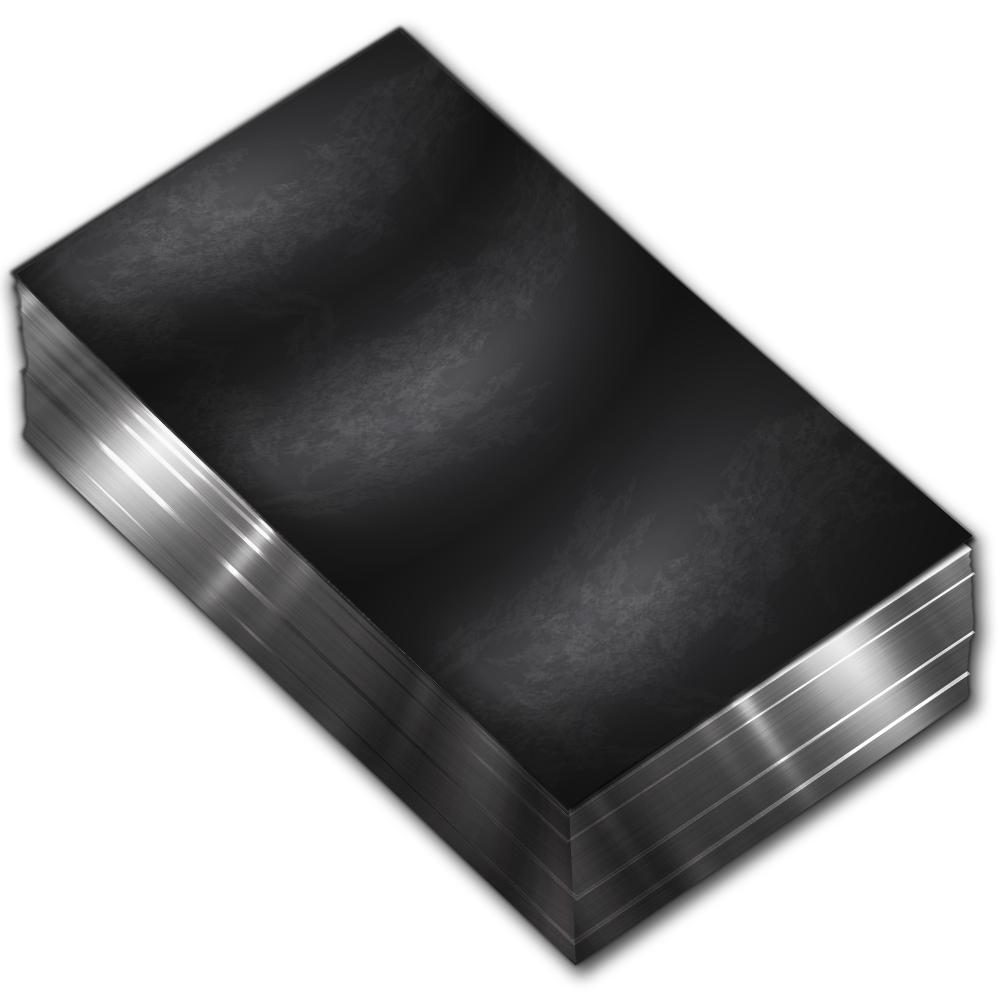
Hot rolled steel is manufactured by processing steel at high temperatures, allowing it to be formed into different shapes, sizes, and thicknesses. The high-temperature production process makes the material easier to shape and fabricate, particularly when large or heavy steel sections are required.
One of its key advantages is versatility. Fabricators can cut, weld, drill, bend, and otherwise process the material according to specific project requirements. This flexibility allows it to support everything from basic structural work to more specialized industrial fabrication.
For businesses working on large construction or manufacturing projects, having a material that can accommodate different fabrication requirements can simplify production planning and reduce the need for multiple material types.
Supporting Stronger Structures
Strength is one of the most important considerations when selecting steel for structural fabrication. Components used in buildings, industrial facilities, platforms, machinery supports, and infrastructure systems may need to withstand significant loads and mechanical stresses.
Hot rolled steel provides a strong foundation for these applications when the appropriate grade, thickness, and dimensions are selected. Its use in structural fabrication can help create durable components designed to perform under demanding conditions.
Fabricators can also select different plate thicknesses based on engineering requirements. This makes it possible to balance structural performance with material efficiency rather than using the same specification for every part of a project.
Improving Fabrication Efficiency
Construction and manufacturing schedules often depend on efficient fabrication. When materials are easy to process and suitable for a wide range of applications, fabrication teams can organize production more effectively.
Hot rolled products can be processed using common industrial equipment and techniques. Cutting and welding operations can transform steel plates into components that match project drawings and specifications. This adaptability can help fabrication businesses handle customized orders without relying on highly specialized material solutions for every project.
Efficient fabrication can also help reduce project delays. Components can be prepared in workshops and delivered to construction sites when required, allowing installation activities to proceed according to the planned schedule.
Helping Reduce Overall Project Costs
Cost efficiency involves much more than the initial purchase price of a material. Labor, fabrication time, material waste, transportation, maintenance, and replacement costs can all influence the total cost of a project.
The versatility of hot rolled products can contribute to cost control by supporting a wide range of applications. Fabricators can cut and process plates according to project requirements, helping them create customized components without extensive material changes.
Careful material planning can further reduce waste. By determining the required dimensions before cutting, fabrication teams can optimize the use of available steel and minimize unnecessary offcuts. Reduced waste can translate into better material utilization and improved project economics.
Suitable for Heavy-Duty Applications
Industrial fabrication often involves demanding environments where components must withstand mechanical loads and regular use. Steel plates and sections are commonly incorporated into equipment supports, industrial structures, platforms, frames, storage systems, and other heavy-duty applications.
Hot rolled products are particularly useful when fabrication requires substantial thickness or robust structural components. Their combination of strength and workability makes them adaptable to different industrial requirements.
However, the correct steel grade and specification should always be selected according to the intended application. Engineering requirements, loading conditions, dimensions, and fabrication methods should be considered before material selection.
Supporting Modern Construction Projects
The construction industry continues to rely on steel for commercial buildings, warehouses, industrial facilities, infrastructure, and specialized structures. Fabricators need materials that can keep pace with changing project requirements while maintaining consistent performance.
Hot rolled steel can support this demand by providing a versatile material that can be fabricated into numerous structural and industrial components. Its suitability for cutting, welding, and other fabrication processes makes it practical for both standardized and customized projects.
For large-scale construction, this flexibility can be particularly useful. Contractors and fabricators can plan material requirements around specific structural designs, helping coordinate fabrication and installation more efficiently.
Choosing the Right Steel Supplier
Material quality plays an important role in the success of any fabrication project. Even when a material is well suited to an application, inconsistent dimensions, unsuitable specifications, or poor handling can create problems during fabrication.
Working with a dependable steel supplier can help businesses source products that meet their technical and project requirements. Suppliers should be able to provide appropriate plate sizes, thicknesses, and material specifications while supporting reliable delivery schedules.
Proper storage and handling are also important. Steel products should be protected and handled carefully throughout transportation, storage, cutting, and fabrication to maintain their condition.
A Practical Material for Future Fabrication
As construction and manufacturing projects become increasingly focused on efficiency, durability, and cost management, material selection continues to play a major role in overall project performance. A versatile steel product can help fabrication businesses manage different requirements while maintaining reliable production processes.
From structural frameworks to industrial components, hot rolled products provide the strength and flexibility needed for many demanding applications. When combined with accurate engineering, efficient fabrication methods, and responsible material planning, they can contribute to stronger structures, faster production, and better cost control.
For quality hot rolled steel, explore the hot rolled plate solutions available from https://www.qatarsteelfactory.com/product/hot-rolled-or-hr-plate. Qatar Steel Factory supplies durable hot rolled steel products for construction, fabrication, industrial, and infrastructure applications.


Comments
Post a Comment