Why Steel Plate Anchor Bolts Are Critical for Stronger and Safer Structural Foundations
Every successful construction project begins with a strong foundation. Whether constructing industrial facilities, commercial buildings, bridges, warehouses, or infrastructure projects, the stability of the entire structure depends on how securely it is anchored to its foundation. One of the most important components that ensures this stability is steel plate anchor bolts. These specialized fastening systems provide the secure connection between structural steel elements and concrete foundations, helping buildings withstand heavy loads, environmental forces, and long-term operational demands.
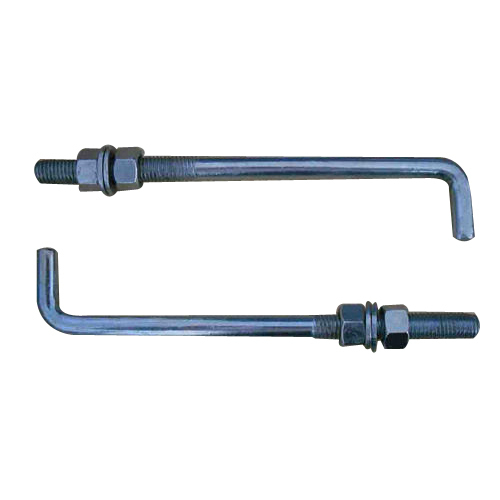
As construction projects become larger and more complex, engineers are placing greater emphasis on high-performance anchoring systems that improve structural integrity and enhance overall safety. Steel plate anchor bolts have become an essential part of modern construction because they deliver reliable load transfer, excellent durability, and long-lasting performance across a wide range of applications.
One of the primary functions of anchor bolts is to securely connect structural columns, machinery bases, steel frameworks, and support systems to concrete foundations. This connection prevents unwanted movement while ensuring that vertical and horizontal loads are distributed evenly throughout the structure. Proper anchoring minimizes structural stress and helps buildings maintain stability under normal operating conditions as well as during extreme weather events.
Safety is one of the biggest reasons engineers prioritize high-quality anchoring systems. Buildings and industrial facilities are constantly subjected to dynamic forces such as wind loads, equipment vibration, seismic activity, and heavy operational loads. Without properly designed anchor bolts, these forces can weaken structural connections over time. Steel plate anchor bolts provide the strength needed to resist uplift, shear, and tension forces, helping reduce the risk of structural failure and improving long-term safety.
Industrial construction particularly depends on strong anchoring solutions because manufacturing plants, warehouses, power stations, and heavy processing facilities often support large machinery and equipment. Continuous machine operation generates vibrations that place additional stress on structural connections. Properly engineered anchor bolts maintain secure connections between equipment and foundations, reducing movement and improving operational reliability while protecting both machinery and surrounding structures.
Another major advantage of steel anchor systems is their exceptional durability. High-quality anchor bolts are manufactured using strong steel materials and protective coatings that resist corrosion, moisture, and environmental exposure. This makes them suitable for demanding environments such as coastal regions, industrial zones, chemical plants, and outdoor infrastructure projects. Corrosion-resistant anchor systems help extend service life while reducing maintenance and replacement costs throughout the lifespan of a structure.
Modern commercial buildings also benefit significantly from advanced anchoring technology. Office towers, shopping centers, airports, hospitals, and educational facilities all require secure structural connections capable of supporting heavy loads while meeting strict building safety standards. Engineers carefully design anchor bolt systems to accommodate the specific loading conditions of each project, ensuring reliable performance throughout the building's operational life.
Infrastructure projects such as bridges, transportation terminals, utility facilities, and communication towers rely heavily on dependable foundation anchoring. These structures are frequently exposed to changing environmental conditions, traffic loads, and long-term operational stresses. Proper anchor bolt installation helps maintain structural alignment and minimizes movement that could otherwise affect safety or performance over time.
The growing adoption of prefabricated steel construction has further increased the importance of precision anchoring systems. Prefabricated structural components require accurate anchor bolt placement to ensure smooth installation and proper alignment during assembly. Well-manufactured anchor bolts simplify construction while improving installation efficiency and reducing costly on-site adjustments.
Advancements in manufacturing technology have also enhanced the quality of modern anchor bolts. Improved machining processes, tighter dimensional tolerances, advanced galvanization methods, and superior quality control ensure consistent performance across demanding construction applications. These improvements allow engineers to specify anchor systems with greater confidence, particularly for projects involving high loads and critical structural connections.
Sustainability is another consideration influencing material selection in modern construction. Durable anchoring systems contribute to longer-lasting structures that require fewer repairs and replacements over time. By improving the lifespan of buildings and reducing maintenance requirements, high-quality anchor bolts support more sustainable construction practices while lowering overall lifecycle costs.
As construction standards continue to evolve, structural reliability will remain a top priority for developers, engineers, and contractors worldwide. Strong foundations begin with dependable anchoring systems, making steel plate anchor bolts an essential component in creating buildings and infrastructure capable of delivering decades of safe, reliable performance.
For premium-quality foundation anchoring solutions designed for industrial, commercial, and infrastructure projects, visit https://www.qatarsteelfactory.com/product/gi-foundation-anchor-bolt. Qatar Steel Factory offers durable GI foundation anchor bolts engineered to provide exceptional strength, corrosion resistance, and dependable structural performance for modern construction applications.


Comments
Post a Comment