How Steel Structure Building Solutions Are Transforming Fast-Growing Commercial Projects
Commercial construction is evolving at a rapid pace as cities expand, businesses scale operations, and developers compete to deliver projects faster than ever before. Shopping centers, logistics hubs, office complexes, exhibition facilities, and mixed-use developments all require structures that can be built quickly, remain durable for decades, and adapt to changing business needs. This shift has made steel structure building solutions one of the most influential forces in modern commercial construction.
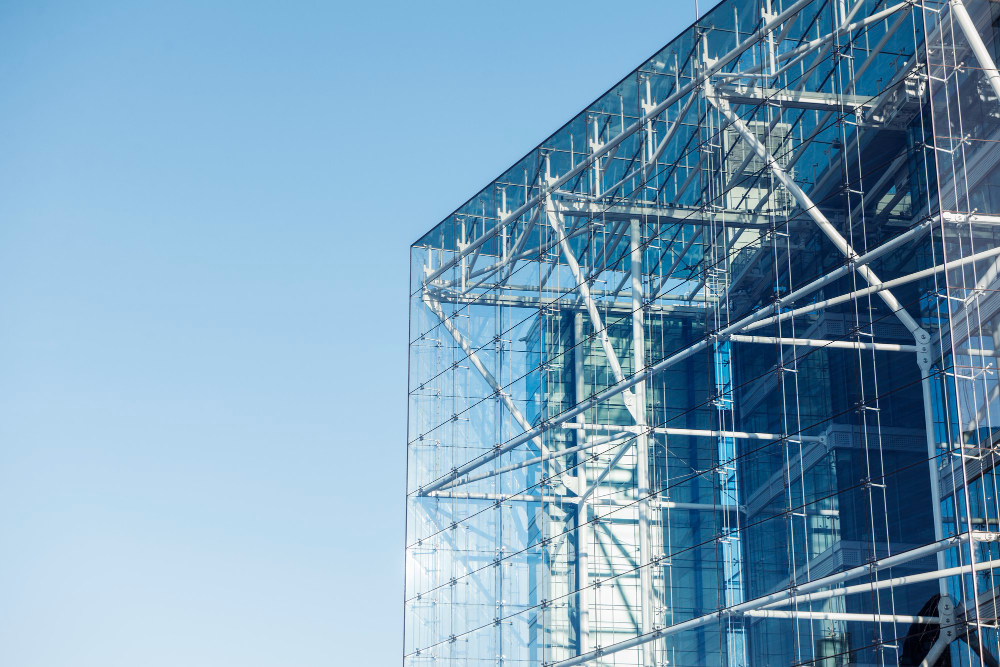
Developers increasingly choose steel because it offers a combination of speed, strength, flexibility, and long-term value that traditional materials often struggle to match. Industry research shows that structural steel continues to gain market share in commercial construction due to rising demand for efficient infrastructure and large-span buildings. The ability to fabricate components off-site and assemble them rapidly on location has become especially valuable in fast-growing urban environments.
One of the most significant advantages of steel systems is construction speed. Commercial projects are frequently constrained by tight schedules, financing milestones, and tenant occupancy targets. Prefabricated steel components can be manufactured while site preparation is still underway, reducing overall project duration. Once delivered, beams, columns, and connections are assembled much faster than many conventional construction methods. Analysts studying modular and prefabricated construction have highlighted how industrialized building processes can significantly shorten delivery timelines and improve project certainty.
The strength-to-weight ratio of steel also transforms how commercial spaces are designed. Large retail floors, warehouse distribution centers, airports, and exhibition halls benefit from long clear spans with fewer interior columns. This creates more usable floor area, improves circulation, and allows tenants greater flexibility in layout planning. Structural steel enables architects to create expansive open spaces that support modern commercial operations without sacrificing structural performance.
Flexibility is another reason steel construction has become so important for rapidly growing commercial projects. Business requirements change quickly, and buildings must often accommodate future expansion, mezzanine additions, equipment upgrades, or interior reconfiguration. Steel-framed structures are comparatively easier to modify than many rigid construction systems because additional members and connections can often be integrated into the existing frame. This adaptability is particularly attractive for logistics, manufacturing, and mixed-use developments where long-term operational needs may evolve over time.
Durability further strengthens the case for steel in commercial construction. Modern protective coatings, galvanizing systems, and corrosion-control technologies have improved the lifespan of steel structures, even in demanding environments. Commercial property owners benefit from reduced maintenance costs, fewer structural repairs, and more predictable lifecycle performance. Studies on steel construction and protective coatings continue to emphasize the importance of corrosion resistance and long-term durability in infrastructure and commercial applications.
Sustainability goals are also reshaping material selection. Many developers pursue green building certifications, lower embodied carbon strategies, and circular-economy principles. Steel contributes to these objectives because it is highly recyclable and can often contain significant recycled content. At the end of a building’s life, steel components can be recovered and reused rather than discarded as waste. Researchers examining sustainable construction materials consistently identify structural steel as an important part of resource-efficient building systems.
Commercial projects increasingly depend on advanced technologies such as automated storage systems, robotics, high-capacity HVAC equipment, and smart building infrastructure. Steel framing provides the load-bearing capacity and dimensional precision required for these systems. In logistics centers and modern warehouses, steel structures support tall storage racks, conveyor systems, and automated retrieval equipment that would be difficult to accommodate efficiently with many traditional building approaches. This compatibility with modern commercial technology is helping steel remain a preferred structural solution as businesses digitize operations.
Economic considerations are equally important. While material prices can fluctuate, developers often evaluate total project cost rather than initial material cost alone. Faster construction means earlier revenue generation, reduced financing exposure, and quicker tenant occupancy. Lower maintenance requirements and long service life can further improve lifecycle economics. Market analyses of the structural steel sector continue to point to these operational and financial advantages as major drivers of adoption across commercial construction worldwide.
As urban development accelerates and commercial projects become more complex, steel construction is positioned to play an even larger role in the built environment. Its combination of rapid assembly, large-span capability, design flexibility, durability, sustainability, and technology readiness makes it particularly well suited to the needs of fast-growing commercial developments. Developers seeking future-ready buildings that can adapt to changing market demands are increasingly turning to steel-framed solutions as a strategic construction choice.
For high-quality structural steel components designed for commercial and industrial projects, explore the advanced solutions available at https://www.qatarsteelfactory.com/product/i-beams-or-h-beams-structural-steel. Their engineered structural steel products are built to deliver strength, reliability, and long-term performance for modern construction applications.


Comments
Post a Comment